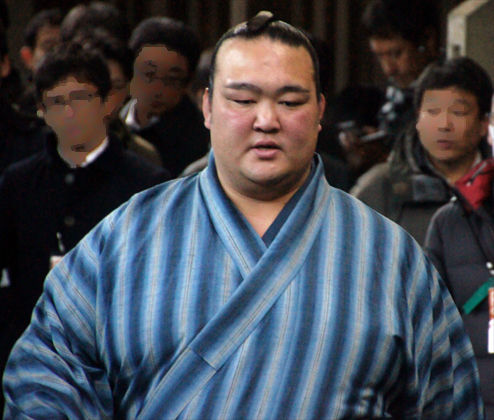
A heya (sumo stable) is the training house where wrestlers live, train, eat and sleep together under the authority of a stablemaster. It is part dormitory, part dojo, part family. Every wrestler in professional grand sumo belongs to one, and the heya, not the individual, is the basic unit of the sport. Inside it, a strict pecking order separates the salaried sekitori from the junior ranks who scrub the floors, stir the stew and serve their seniors first.
To understand sumo, you have to understand the heya. The tournaments and the towering champions are only the visible surface. Underneath sits a network of communal houses where the real work happens: pre-dawn training, shared meals, the apprenticeship that turns a raw teenager into a professional. A wrestler does not simply join the sport. He joins a house, takes its name into the ring and answers to the man who runs it.
What a heya is, and who runs it
A heya is owned and run by an oyakata, a stablemaster who is almost always a retired wrestler. To hold this position he must possess a toshiyori elder name, a license to remain inside the sport once his competitive days are finished. These elder names are limited and valuable, passed between generations, and acquiring one is the price of admission to coaching. The oyakata is teacher, manager, landlord and father figure rolled into one. He recruits new boys, decides who trains and how hard, handles the finances and represents the house to the wider sumo world.
His word inside the building is close to absolute. When an oyakata reaches mandatory retirement age, the heya either passes to a successor or closes, its wrestlers absorbed elsewhere. Because the leader shapes everything from training philosophy to daily mood, two houses can feel utterly different even though both are bound by the same rules of the sport.
How many stables there are, and how big they get
There are 45 stables in professional sumo, holding 604 wrestlers between them. Those figures come from tallying the Japan Sumo Association’s own stable pages, which list every wrestler by division; the roster was retrieved on August 2, 2026.
| Measure | Figure |
|---|---|
| Stables | 45 |
| Wrestlers on the rolls | 604 |
| Average per stable | 13.4 |
| Largest stable | Isegahama, 32 wrestlers |
| Smallest stable | Nishikido, 1 wrestler |
| Stables with at least one top-division wrestler | 26 of 45 |
| Stables with no salaried wrestler at all | 11 of 45 |
The averages hide how lopsided the sport is. Isegahama carries 32 wrestlers while Nishikido carries one, and 11 stables have nobody on a salary — every wrestler under that roof is still in the unpaid ranks, training in the hope of reaching sekitori status. A stable’s size is not fixed by any rule; it grows or shrinks with the stablemaster’s ability to recruit and keep young men.
| Largest stables | Wrestlers |
|---|---|
| Isegahama 伊勢ヶ濱 | 32 |
| Sakaigawa 境川 | 25 |
| Nishonoseki 二所ノ関 | 24 |
| Tamanoi 玉ノ井 | 24 |
| Takasago 高砂 | 24 |
Every stable also houses staff who are not wrestlers. A tokoyama is posted to the stable to tie the wrestlers’ hair, and the Association’s hairdressers are spread across 34 of the 45 stables.
The hierarchy: sekitori and everyone below
Life in a heya runs on rank, and the dividing line is brutal and clear. A wrestler who climbs into the top divisions becomes a sekitori: a salaried professional with status, privileges and, crucially, attendants of his own. Everyone below that line is, in practice, an apprentice. The juniors rise first, train hardest, eat last and do the chores that keep the house functioning. They clean, they shop, they prepare the food, they tend to the senior men and they wait their turn.
This is not hazing dressed up as tradition; it is the engine of the apprenticeship, meant to forge the discipline, humility and resilience sumo prizes above raw talent. A boy who endures the bottom of the ladder, and keeps winning, earns his way up, and the reward is not only money but relief from servitude. Reaching the summit as a yokozuna is the dream, but for many the more immediate goal is crossing into sekitori territory and never having to sweep the floor again.
A day in the life: keiko, then chanko
The heya wakes early. Training, called keiko, begins in the small hours, the lowest ranks starting first while the sekitori appear later to spar at the peak of the session. All of this happens on an empty stomach. The wrestlers train hard and hungry, sometimes for hours, throwing one another across the clay ring in repetitive, punishing drills until bodies and tempers are spent.
Only afterward do they eat, and they eat enormously. The midday meal is built around chanko-nabe, the protein-rich hot pot that has become synonymous with sumo. The juniors cook it; the seniors are served first. Training on empty and then loading up in one or two huge sittings, followed by rest and sleep, is the deliberate method behind the famous physiques. The size is no accident of appetite but the product of a daily rhythm: starve, strain, feast, sleep, repeat.
The tsukebito system
Once a wrestler reaches sekitori status, he is assigned tsukebito, personal attendants drawn from the junior ranks of his own heya. A tsukebito carries his master’s gear, helps him dress, runs his errands and looks after him at tournaments, freeing the senior man to focus on competing. For the junior, the role is part duty, part education: shadowing a successful wrestler at close range teaches the trade from the inside, and the arrangement ties the young to the example of the established.
The heya is the unit of sumo. Wrestlers live, train and eat communally under a stablemaster who was once a wrestler himself.
Rank decides everything. Salaried sekitori are served and supported; juniors cook, clean and wait their turn.
Loyalty is structural. Stablemates do not fight each other in regulation bouts, and houses cluster into larger families called ichimon.
Why stablemates do not fight
One rule reveals how seriously sumo treats the bond of the house: wrestlers from the same heya are not matched against one another in regulation tournament bouts. The men who train together every morning, eat from the same pot and share the same roof are kept apart on the schedule. The logic is partly about fairness, since stablemates know each other’s habits intimately, and partly about preserving harmony in a household where the same people must live together for years.
There is one striking exception. If two stablemates finish a tournament tied for the championship, they can be required to meet in a playoff to decide it outright. Only with a title on the line does the wall between them come down, which makes those rare bouts unusually charged.
Ichimon: families of stables
Heya do not exist in isolation. They group into larger alliances called ichimon, networks of affiliated stables linked by lineage, loyalty and shared history. New heya are typically founded when a senior wrestler retires and branches off from the house that raised him, carrying its bloodline into a new building. Stables within the same ichimon often train together, lend support and cooperate on the politics of the sport, even as their wrestlers compete fiercely in the ring.
These alliances matter beyond sentiment. They shape elections within the sport’s governing body, the distribution of influence and the way stables back one another in hard times. For a fan, knowing which ichimon a heya belongs to adds meaning to rivalries and loyalties. To trace those bloodlines in detail, our ichimon explainer maps how the major families connect.
Frequently Asked Questions
Can a wrestler change heya?
Moving between stables is rare. A wrestler is generally bound to the house he joins, and his career, name and loyalties are tied to it. Transfers happen mainly when a heya closes and its wrestlers are absorbed by another house, often within the same ichimon. Switching simply to chase a better situation is not the norm.
Do all wrestlers live in the heya?
Junior wrestlers live in the stable full time; communal residence is a core part of the apprenticeship. Senior wrestlers who reach sekitori status and start families are generally permitted to live outside, commuting in for training. The lower ranks remain rooted in the house, which is why the heya feels first and foremost like the juniors’ home.
What exactly is chanko-nabe?
Chanko-nabe is a hearty Japanese hot pot loaded with protein and vegetables, the staple meal of sumo training life. There is no single fixed recipe; stables vary their versions, and the junior wrestlers who cook it learn to feed a hungry house in volume. Eaten in quantity after morning training, it is central to how wrestlers build and maintain their size.
Why is the stablemaster so powerful?
The oyakata holds a rare elder name that licenses him to coach, and he runs the house as owner, teacher and guardian. Because recruits depend on him for training, livelihood and their place in the sport, his authority over daily life is nearly total, which is why a stablemaster’s character shapes the fortunes of every wrestler under his roof.