June 2026– date –
-

Chonmage: The Sumo Topknot and the Oicho-mage Explained
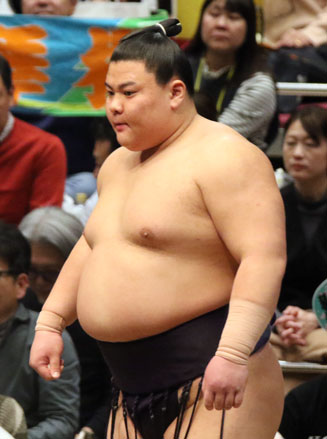
The chonmage is the traditional topknot that sumo wrestlers wear in their hair — a style handed down from Japan's samurai era, when the topknot was ordinary men's dress. Sumo is one of the last places it survives in daily life. The hair ... -
Dohyo-iri: The Sumo Ring-Entering Ceremony Explained
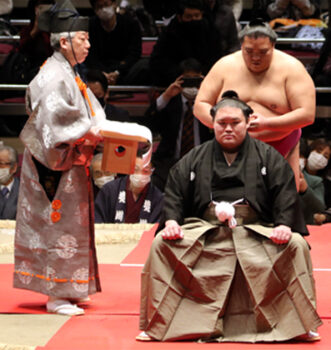
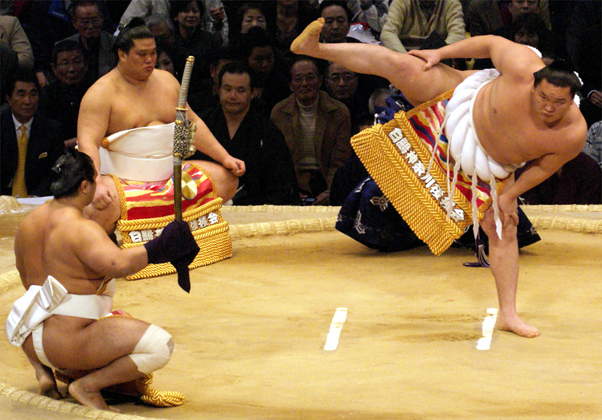
The dohyo-iri is sumo's ring-entering ceremony — a ritual procession the wrestlers perform before the day's top bouts begin. The top-division wrestlers file into the ring together in ornate ceremonial aprons, form a circle, and perform a... -
The Dohyo: Sumo’s Sacred Ring Explained
In sumo, the dohyo is the ring where every bout is fought — a raised platform of packed clay, topped with a thin layer of sand, with the fighting circle marked out by partly buried rice-straw bales. It is far more than a stage. A new doh... -
Maegashira: The Rank-and-File of Sumo’s Top Division Explained
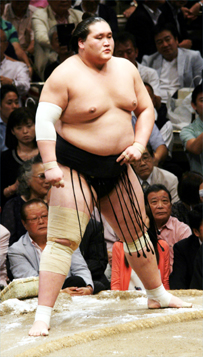
In sumo, the maegashira are the rank-and-file of the top division, makuuchi — every wrestler in the division who does not hold one of the titled ranks of yokozuna, ozeki, sekiwake or komusubi. They are listed by number, from Maegashira 1... -
Sekiwake and Komusubi: The Junior Sanyaku Ranks in Sumo Explained
In sumo, sekiwake and komusubi are the two junior titled ranks of the top division, sitting directly below ozeki and above the rank-and-file maegashira. Of the two, sekiwake is the higher: the order from the top runs yokozuna, ozeki, sek...
1