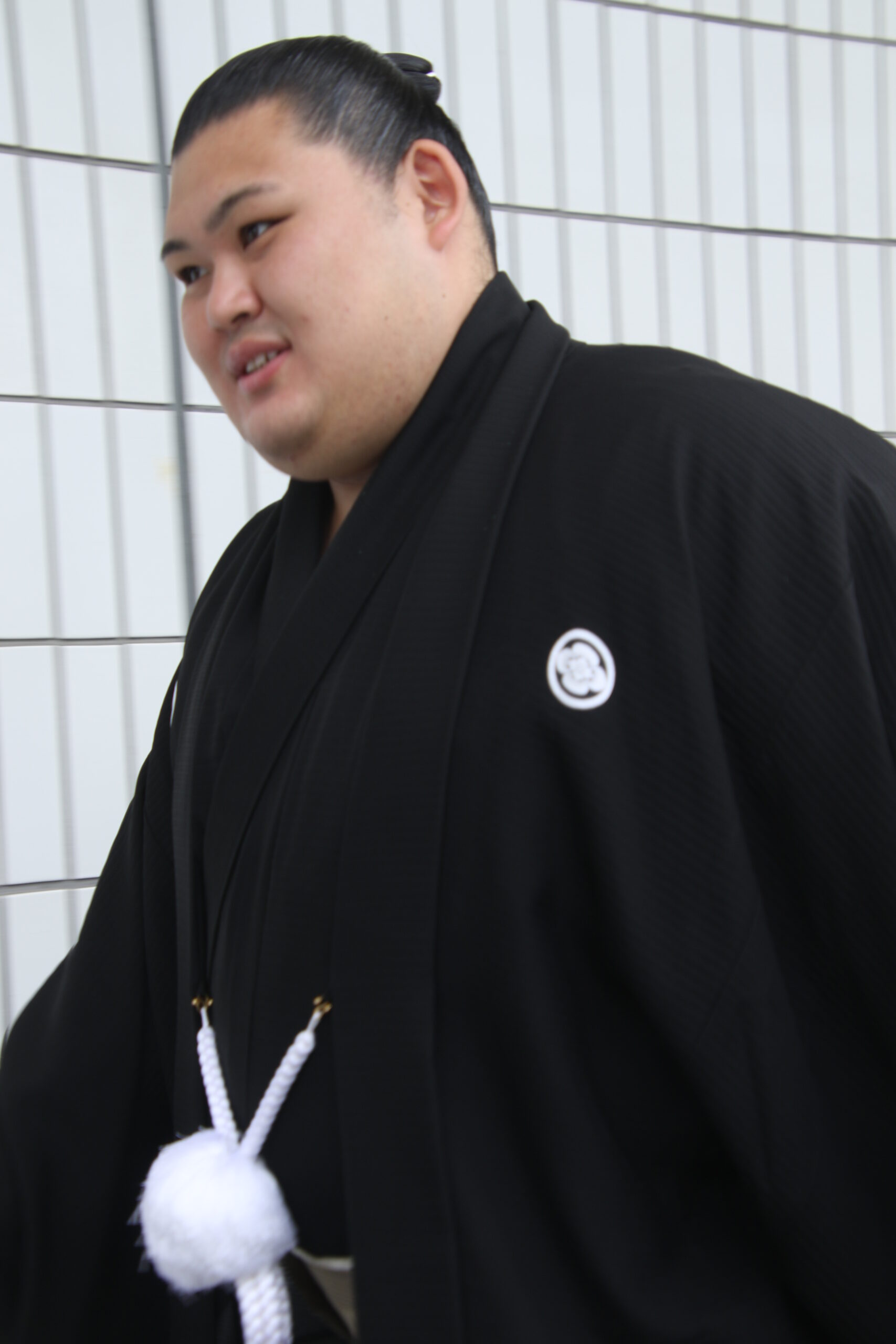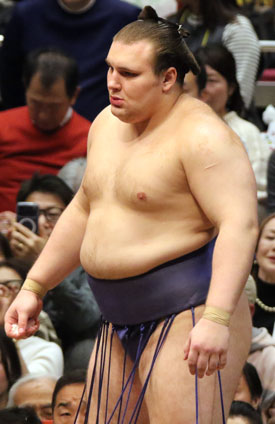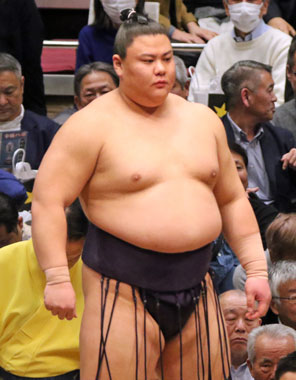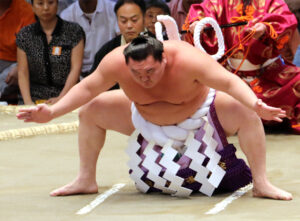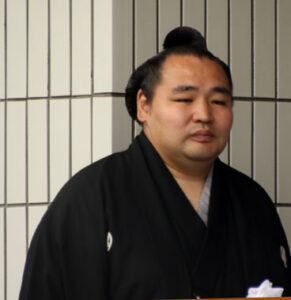
Since his professional debut, yokozuna Onosato has never once finished a tournament with a losing record. The January 2026 Hatsu basho stretched that run to 17 winning tournaments in a row — a streak that has survived every scare the sport has thrown at him.

The January scare, and why he didn’t fold
For a stretch of the January 2026 Grand Sumo Tournament, the streak looked finished. Onosato dropped three bouts in a row beginning on Day 8 and fell to a 6-4 record. Even the bouts he won did not look like the work of the dominant champion sumo had come to expect. He was struggling badly enough that a mid-tournament withdrawal would not have surprised anyone watching.
He did not withdraw. Over the back half of the 15-day schedule he steadied himself and closed out the tournament at 10-5 — a kachikoshi, a winning record. In sumo, eight wins or more across 15 days clears the bar; Onosato cleared it with two to spare after looking, for several days, like a man on the edge of his first losing tournament.
The refusal to fold is the whole story. A withdrawal would have ended the run on a technicality and handed the headlines to everyone chasing him. Instead the yokozuna — the sport’s highest rank — found enough in the final week to turn a wobble into another line in an unbroken ledger.
What 17 straight winning tournaments actually means
By banking that winning record in January, Onosato pushed his streak of consecutive winning tournaments since his professional debut to 17 in a row. His career ledger reads 180 wins against 59 losses, a winning percentage of .753. Across every basho he has contested, he has never once let the record slip below even.
The closest he ever came to breaking it arrived early, and it arrived in the lower reaches of the banzuke. In only his second tournament in the makushita division — makushita is the third-highest of sumo’s six divisions, the last rung before the salaried ranks — Onosato stood at 3-3 going into his seventh and final bout. In makushita a wrestler fights seven times across the 15 days rather than every day, so that final bout was a straight coin-flip between a winning and a losing record. He came through it. The streak has never been threatened in quite that way since.
That early near-miss is what gives the number its weight. A run of 17 is not a run of 17 comfortable tournaments. It is a run that has already absorbed a 3-3 knife-edge in makushita and a 6-4 collapse as a reigning yokozuna, and come out the other side intact both times.
The chasers: Aonishiki and Ginofuji
Onosato is not running alone. The most serious pursuer is Aonishiki, who carries his own streak of 14 consecutive winning tournaments since his debut. His career record stands at 128-34, a .790 winning percentage that edges Onosato’s own mark. His worst result anywhere in the makushita division and below was a 6-1 — a single loss at his lowest ebb. Since climbing into juryo, the second-highest division and the lower of the two salaried tiers, he has posted double-digit wins in eight straight tournaments.

The other name worth tracking is Ginofuji, riding a streak of 11 consecutive winning tournaments since his debut, with a career record of 87-38, a .696 winning percentage. His January 2026 was the most dramatic of the three. He beat both yokozuna during the tournament, yet still found himself pushed to the brink at 6-7, one defeat away from a losing record. He then won his final two days to lock in his kachikoshi, and the judges handed him the Outstanding Performance Award, the Shukun-sho, given for the most notable display of the basho.

Two chasers, two different kinds of pressure. Aonishiki applies it through sheer consistency, eight straight double-digit hauls in the salaried ranks. Ginofuji applies it through the scoreboard: a man who can beat both yokozuna in a single fortnight is a man who can take a bout off Onosato on the right afternoon.
Where it sits in sumo history
Streaks like this tend to break, and the recent past makes the point. The newly retired Hokutofuji had climbed all the way to the top makuuchi division with an unbroken run of winning records from his debut. That run ended at 11 when he posted his first losing record in his third makuuchi tournament. Eleven straight, and then the wall. His retirement closed the book on a career that showed how far an unbroken record can carry a wrestler, and exactly where it tends to stop.
The all-time mark belongs to Tochigiyama, who ran off 24 consecutive winning tournaments from his debut. The context matters: he set it in an era of only two tournaments a year, when wrestlers from the same side of the banzuke — the ranking sheet that pairs the field — did not face one another. Fewer tournaments and a friendlier draw make 24 a record from a different world, not a number Onosato can chase on equal terms.
And for a sense of how unlikely a spotless ledger really is, consider Hakuho. The man won 45 championships, more than anyone, and even he posted a losing record back in jonokuchi, the lowest division of all. The greatest career the modern sport has produced still carries a make-koshi on its earliest page. That is the company Onosato keeps by not yet having one.
Key Takeaways
- Onosato extended his streak to 17 consecutive winning tournaments since his debut by finishing the January 2026 Hatsu basho at 10-5, after falling to 6-4 with three straight losses from Day 8.
- His career record stands at 180-59, a .753 winning percentage; the streak’s closest call came at 3-3 before his final bout in only his second makushita tournament.
- Aonishiki chases on 14 straight winning tournaments (128-34, .790) with eight consecutive double-digit-win basho since reaching juryo; Ginofuji sits on 11 (87-38, .696) and took the Shukun-sho in January after beating both yokozuna.
- Tochigiyama holds the all-time mark of 24 straight winning tournaments, set when only two basho ran each year; even Hakuho, with 45 titles, once posted a losing record in jonokuchi.
Frequently Asked Questions
How many consecutive winning tournaments has Onosato had since his debut?
Seventeen in a row. By finishing the January 2026 Hatsu basho at 10-5, a winning record, Onosato extended to 17 his streak of consecutive winning tournaments since his professional debut. His career record stands at 180 wins and 59 losses, a .753 winning percentage.
What happened to Onosato at the January 2026 tournament?
He lost three bouts in a row starting on Day 8 and dropped to 6-4, struggling so badly that a mid-tournament withdrawal would not have been a surprise. He did not withdraw. He steadied himself over the back half of the 15-day tournament and finished at 10-5, securing a winning record and extending his streak.
Who is chasing Onosato’s streak?
Aonishiki is on a streak of 14 consecutive winning tournaments since his debut, with a career record of 128-34 (.790) and eight straight double-digit-win tournaments since reaching juryo. Ginofuji is on a streak of 11, with a career record of 87-38 (.696); at the January 2026 tournament he beat both yokozuna, recovered from 6-7 by winning his final two days, and was awarded the Outstanding Performance Award (Shukun-sho).
What is the all-time record for consecutive winning tournaments from debut?
Tochigiyama holds it with 24 consecutive winning tournaments from his debut, set in an era when there were only two tournaments per year and wrestlers from the same side of the banzuke did not face each other. For perspective on how rare an unbroken record is, even Hakuho, who won 45 championships, once posted a losing record in the jonokuchi division.