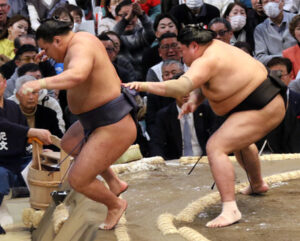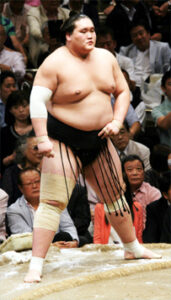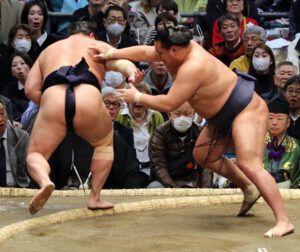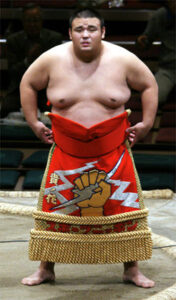
A maegashira is a rank-and-file wrestler in makuuchi, the top division of professional sumo. Maegashira are every top-division wrestler who does not hold a titled rank — yokozuna, ozeki, sekiwake or komusubi. They are listed by number on the banzuke, from Maegashira 1 at the top down to the bottom of the division, with an East and a West side at each number. This guide explains how the numbering works, what the joi is, how a maegashira moves up to san’yaku or down to juryo, and what a kinboshi gold star is worth.
Maegashira are the top division’s rank-and-file. They hold no title — every wrestler in makuuchi below komusubi is a maegashira, and they are by far the largest group in the division.
They are numbered, and Maegashira 1 is the highest. The number rises as the rank falls, with an East and a West side at each level.
The top maegashira face the best. The joi — the highest maegashira — meet the yokozuna, ozeki and san’yaku in the opening days, where a kinboshi is won.
Up to san’yaku, down to juryo. A strong top maegashira can be promoted to komusubi; a struggling low maegashira can drop to the juryo division below.
A maegashira can win the title. The official-championship era opened in 1926, and rank-and-file champions still appear — nine of them in the Reiwa era through July 2025.
What maegashira means
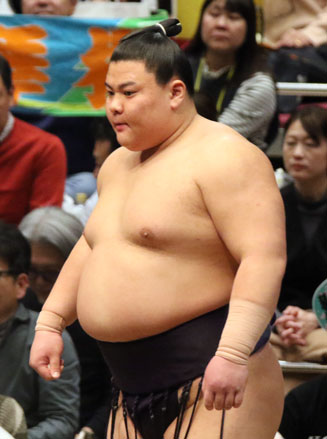
The top division in professional sumo is called makuuchi, and its wrestlers are listed on the ranking sheet, the banzuke. At the head of the division sit the titled ranks — yokozuna, ozeki, sekiwake and komusubi. Everyone else in the top division is a maegashira. The word is best understood as “the rank-and-file”: these are full top-division wrestlers, but ones who have not earned, or are not currently holding, one of the named titles above them. Because the titled ranks are few, the maegashira are by far the largest group in the division, and most of any tournament’s bouts are fought between them.
How the numbering works
Maegashira are ranked by number rather than by title. The highest is Maegashira 1, and the rank falls as the number climbs — Maegashira 2, Maegashira 3, and so on down to the bottom of the division. At each number there is an East and a West holder, with East ranking just above West. The exact count is not fixed: the division holds a set number of wrestlers, so the more titled ranks there are in a given tournament, the fewer maegashira numbers are needed, and vice versa. The key thing to remember runs against intuition — a lower number means a higher standing, so Maegashira 1 is near the top of the sport while a high number sits just above the second division.
The joi: facing the champions
The highest maegashira — often called the joi, the upper group — carry the hardest schedule in the division. In the opening days of each tournament they are matched against the yokozuna, ozeki and san’yaku, because the schedulers pair the top of the banzuke together. That makes the top maegashira ranks both the most dangerous and the most rewarding place to be: a winning record there counts for a great deal and can earn promotion into the titled ranks. It is also where one of sumo’s special honors is won — a kinboshi, or gold star, the star a rank-and-file wrestler earns by beating a reigning yokozuna.
The kinboshi: what a gold star is worth
A kinboshi is recorded when a maegashira beats a reigning yokozuna in a regular tournament bout. The eligibility rules are strict. A win by default — fusen-sho, awarded when the yokozuna withdraws — does not count as a kinboshi, and neither does a win by foul or disqualification, hansoku-sho. A win over a yokozuna in a championship playoff, the yusho-kettei-sen, does not count either. The gold star is reserved for beating the sport’s highest rank cleanly, on the day, in the regular schedule.
The reward is concrete, and it is permanent. A kinboshi adds 10 yen to the wrestler’s mochi-kyukin, the cumulative salary base every sekitori carries, and that base is never reduced once earned. The base is paid out at a multiplier of 4,000, so a single kinboshi is worth an extra 40,000 yen — paid out at every tournament, six times a year, for the rest of the wrestler’s career. One upset on one afternoon becomes a small annuity that follows him to retirement.
Maegashira pay, and the drop to juryo
Rank decides pay in sumo, and the monthly base climbs steeply toward the top. A maegashira earns 1,400,000 yen a month — more than a juryo wrestler’s 1,100,000 yen, but well short of the 1,800,000 yen paid at sekiwake and komusubi, the 2,500,000 yen of an ozeki, and the 3,000,000 yen of a yokozuna. That ladder is why the bottom of the maegashira list is fought over so hard: the line between the lowest maegashira and the top of juryo is also the line between two pay grades, and dropping below it costs a wrestler both his top-division status and a meaningful slice of his salary.
| Rank | Monthly base pay |
|---|---|
| Yokozuna | 3,000,000 yen |
| Ozeki | 2,500,000 yen |
| Sekiwake / komusubi | 1,800,000 yen |
| Maegashira (makuuchi rank-and-file) | 1,400,000 yen |
| Juryo | 1,100,000 yen |
Moving up and down
Like the rest of the banzuke, maegashira rise and fall by results. Each wrestler fights 15 bouts in a tournament; a majority of wins is a kachi-koshi, a winning record, and a majority of losses is a make-koshi, a losing record. A winning record moves a maegashira up the list for the next tournament and a losing record moves him down, with the size of the move scaled to how good or bad the record was. At the top, a strong run can lift a leading maegashira into komusubi and the san’yaku — and reaching komusubi is the first goal of most wrestlers who make it to makuuchi. At the bottom, a poor record can drop a low maegashira out of the top division altogether, down into juryo, the second division — a demotion every makuuchi wrestler fights to avoid.
The rank-and-file champion and the special prizes
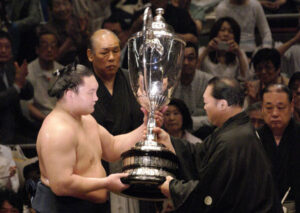
Although the championship is usually contested by the men at the top, a maegashira occasionally wins the whole tournament — one of the sport’s great upsets, the rank-and-file wrestler who beats the champions to the title. It is not new: the official-championship era began in 1926, and the first rank-and-file champion, Daijayama, took the title that year from Maegashira 8. Such wins still come at a steady clip. The Reiwa era produced nine maegashira champions through the July 2025 tournament — about one in four titles across 37 tournaments — and in March 2024 Takerufuji went further still, winning the championship on his top-division debut, the first debut title of the official-championship era.
The reward for a rank-and-file champion is also a warning. Winning from deep in the maegashira ranks sends a wrestler’s next banzuke position shooting up among the yokozuna and ozeki, where the schedule is far harder than anything he met on the way to the title. Among the nine Reiwa maegashira champions, five posted a losing record in the tournament that followed — full withdrawals included — and the three who managed a winning record did no better than 8-7. The title lifts a maegashira into the firing line, and most do not hold their ground there at the first attempt.
The maegashira ranks are also where the tournament’s three special prizes are decided. These awards — for Outstanding Performance, Fighting Spirit and Technique — go only to wrestlers ranked at sekiwake and below, which means maegashira are eligible for them while ozeki and yokozuna are not. For a maegashira, then, a strong tournament can bring far more than a winning record: promotion toward the titled ranks, a special prize, and, against a yokozuna, a gold star that follows him for the rest of his career.
Frequently asked questions
Q. What is a maegashira in sumo?
A wrestler in the top division, makuuchi, who does not hold a titled rank. The maegashira are the rank-and-file of the division, sitting below komusubi.
Q. Is Maegashira 1 or Maegashira 15 higher?
Maegashira 1. The number rises as the rank falls, so the lower the number, the higher the standing.
Q. What rank is above maegashira?
Komusubi, the lowest of the titled san’yaku ranks. A top maegashira with a strong record can be promoted into it.
Q. What happens to a maegashira who loses too much?
A low maegashira with a losing record can be demoted to juryo, the second division below makuuchi, which also means a drop in pay.
Q. What is a kinboshi worth?
A kinboshi is the gold star a maegashira earns for beating a reigning yokozuna. It adds 40,000 yen to his pay at every tournament, six times a year, for the rest of his career. Wins by default, by foul, or in a playoff do not count.
Q. Can a maegashira win the tournament?
Yes. The first rank-and-file champion of the official-championship era won in 1926, and the Reiwa era saw nine maegashira champions through July 2025, including Takerufuji’s championship on his top-division debut in 2024.
Photo by Michihiro Taguchi.