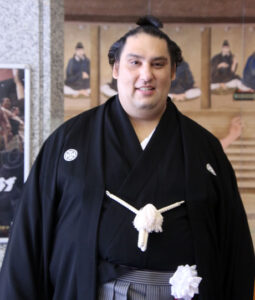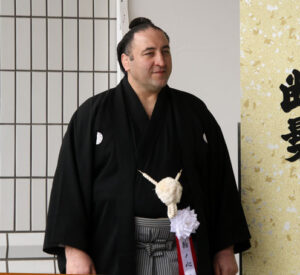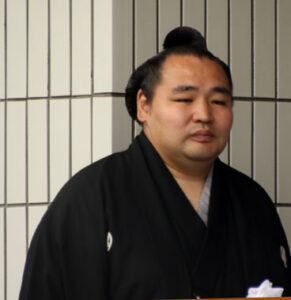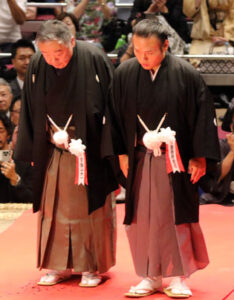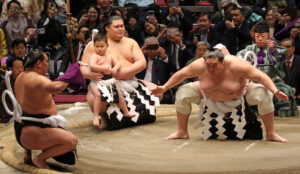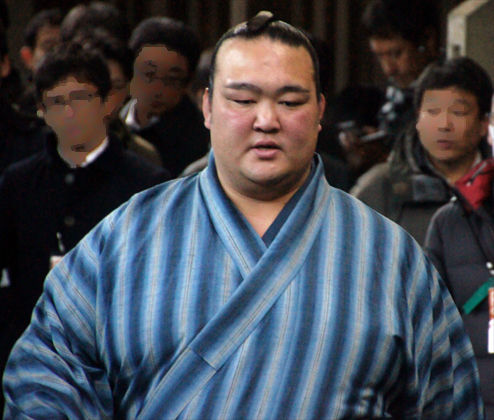
The danpatsu-shiki is the ceremony that marks a sumo wrestler’s retirement, in which his topknot is ceremonially cut off in front of family, friends, sponsors and fellow rikishi. Guests come up one at a time to take a single snip with a pair of golden scissors, and the last cut — the one that severs the knot for good — is made by the wrestler’s own stablemaster. It is a formal, emotional farewell to a fighting career, and the major ceremonies are staged at the Ryogoku Kokugikan in Tokyo.
What the danpatsu-shiki is, and why the topknot matters so much
In sumo, the hair is not decoration. The topknot — the chonmage, and in its elaborate fan-shaped form the oicho-mage worn in the upper divisions — is the outward sign that a man is an active wrestler. From the day he joins a stable, his hair is grown and oiled and shaped by a specialist hairdresser, and it stays with him through every tournament, every promotion, every loss. To see the knot is to know, instantly, that the person in front of you fights for a living.
That is why cutting it off carries such weight. The danpatsu-shiki turns retirement into something you can watch happen. Nobody reads a statement or signs a form on stage. Instead the hair comes off, lock by lock, until the symbol of the active rikishi is simply gone. When the topknot falls, the wrestler is, in the eyes of the sport and everyone watching, a wrestler no longer.
The ritual sits alongside the other customs that make sumo feel like a living museum. The same world that keeps the stable, or heya, system intact, and that surrounds the dohyo with salt and ceremony, treats the end of a career with the same care it gives the start of one.
How the ceremony unfolds
On the day, the retiring wrestler sits on a stool, usually in formal kimono, in the centre of the floor. Beside him a tray holds the golden scissors. One after another, the guests are invited up. Each takes the scissors, makes a single careful snip of the topknot, perhaps says a quiet word, and steps away so the next person can take their turn. It is slow and deliberate by design.
The long line of guests
The people who come forward are the ones who shaped the career: family, childhood friends, coaches, business sponsors and supporters’ clubs, senior figures from the sumo world, and fellow wrestlers from the same stable. For a popular rikishi the procession can stretch on for a long time, with a great many guests each taking their turn. The point is not how much hair anyone removes — most snips are tiny — but that everyone who mattered gets to mark the moment with their own hands.
The final cut by the oyakata
When the line is done, one person is left. The wrestler’s stablemaster — his oyakata, the man who recruited him, fed him, disciplined him and stood in his corner for years — makes the last cut that finally separates the knot from the head. It is the most charged moment of the day. After the topknot comes away, a hairdresser tidies what remains, and the wrestler walks off with an ordinary head of hair for the first time in his adult sporting life.
Where and when it happens
The grandest danpatsu-shiki take place at the Ryogoku Kokugikan, the national sumo arena in Tokyo, the same building that hosts the capital’s grand tournaments. Holding the ceremony there lets a large crowd attend and gives the occasion the full weight of the sport’s home ground. An event of this scale is often built into a wider day of celebration, with exhibition bouts and other entertainment around the cutting itself.
Not every wrestler is sent off on this stage. The most elaborate ceremonies tend to belong to the wrestlers who reached the upper ranks and built a large following over the years — and a former yokozuna, the highest rank in sumo, can expect a send-off to match the standing he held. Timing matters too: a ceremony is usually held some months after a wrestler actually steps away from competition, which gives the stable time to organise the day and lets supporters travel in from across the country.
The emotional and communal meaning
For all its formality, the danpatsu-shiki is rarely a composed affair. Wrestlers who spent careers showing nothing on the dohyo are often unable to hold back tears as the people closest to them file past. The hair has been part of the body for so long that losing it lands as a physical break, not just a symbolic one, and the room tends to feel it together.
That shared feeling is the heart of the ritual. A sumo career is never a solo project — it is built inside a stable, paid for by sponsors, cheered on by a community — and the ceremony hands the ending back to all of those people. Each snip says thank you and goodbye in the same gesture. By the time the stablemaster makes the final cut, the whole room has, in a sense, helped close the career down.
It is one of the moments that newcomers to the sport find most affecting, and it rewards a little background knowledge. Readers working out how to watch sumo often start with the tournaments and only later discover that the retirements carry just as much drama as the bouts.
What comes after the cut
Retirement is an ending, but for many wrestlers it is also a doorway. Those who qualify can stay inside the sport as an oyakata — an elder of the association — coaching young rikishi and, in time, perhaps running a stable of their own. In that path the ceremony is almost a handover: the man who has just had his knot cut steps into the role of the mentor who once held the scissors over someone else.
Others move into the world that grew up around the sport. Opening a chanko restaurant — serving the hot-pot that wrestlers eat to build their frames — is a well-worn route for former rikishi, and it keeps them connected to fans long after their last bout. Some go into broadcasting, commentary or business. Whatever comes next, the danpatsu-shiki draws a clean line under the fighting years, so the man can begin the rest of his life without the topknot that defined him for so long.
The topknot is the symbol of an active wrestler, so cutting it is how sumo makes a retirement official and visible.
Guests each take one snip with golden scissors, and the stablemaster makes the final, decisive cut.
Major ceremonies fill the Ryogoku Kokugikan, and many retired wrestlers go on to coach as an oyakata or open a chanko restaurant.
Frequently Asked Questions
What does danpatsu-shiki mean?
It is the Japanese term for a sumo wrestler’s hair-cutting retirement ceremony — the event at which the wrestler’s topknot is removed for good in front of an invited audience of family, supporters and fellow rikishi.
Who makes the final cut?
The wrestler’s stablemaster, his oyakata, makes the last and most important cut, which finally severs the topknot. Many other guests — family, friends, sponsors, coaches and fellow wrestlers — each take a small ceremonial snip first, but the oyakata is given the honour of completing the act.
Where is the danpatsu-shiki held?
The largest ceremonies are held at the Ryogoku Kokugikan in Tokyo, the national sumo arena, which can host a big crowd and is often paired with exhibition bouts. Smaller send-offs for less senior wrestlers may take place elsewhere, but the Kokugikan is the setting most associated with the grandest farewells.
What happens to a wrestler after the ceremony?
It varies. Wrestlers who qualify can remain in the sport as an oyakata, coaching the next generation and perhaps running a stable. Others open a chanko restaurant built around the hot-pot dish associated with sumo, or move into broadcasting and business. The ceremony marks the close of the competitive career and the start of whatever comes next.