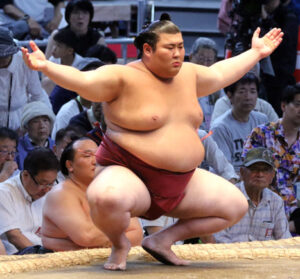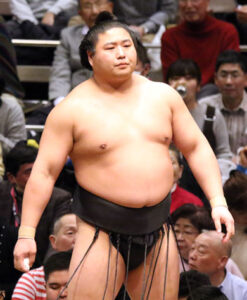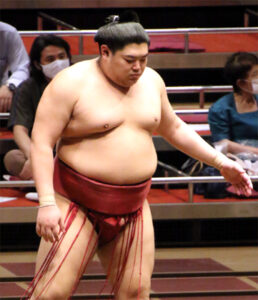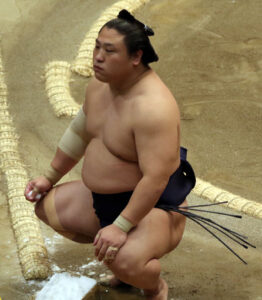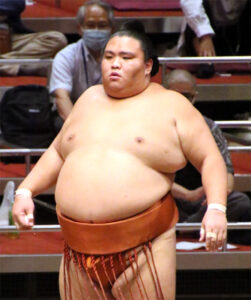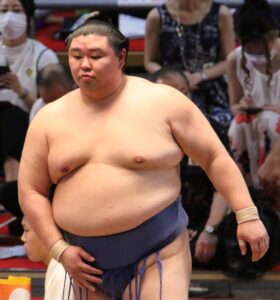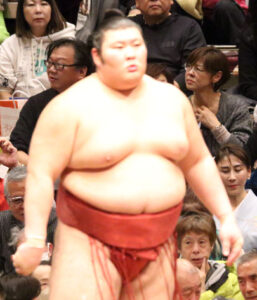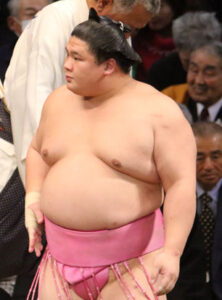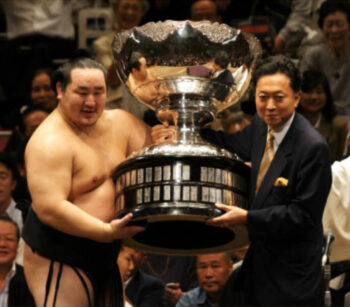
Photo by Michihiro Taguchi.
Asashoryu was the first wrestler from Mongolia ever promoted to yokozuna, sumo’s highest rank, and the sport’s dominant force through the mid-2000s. He won 25 top-division championships, including an unprecedented sweep of all six tournaments in 2005, and retired abruptly in 2010 after off-the-ring controversy.
First Mongolian yokozuna. His promotion changed who could imagine wearing the rope and opened the door for the Mongolian generation that followed.
25 top-division championships. Twenty-five yusho across his career anchor the legend with a record nobody can argue with.
The 2005 sweep. Six titles in a single calendar year — the first calendar-year sweep in sumo’s history.
Defining rivalry with Hakuho. The two Mongolian yokozuna framed an era at the top of the banzuke.
Abrupt 2010 retirement. Controversy away from the ring cut the career off at its peak, leaving the legacy debate unsettled.
Who Asashoryu was
Asashoryu was the first Mongolian ever promoted to yokozuna, sumo’s highest rank, and the sport’s dominant force through the mid-2000s. His sumo was fast, aggressive, and unrelenting. His temperament was fiery enough to split the audience: fans loved the intensity, traditionalists bristled at it.
The record anchors the legend. He collected 25 top-division championships, known in Japanese as yusho, the trophies awarded to the wrestler with the best record at each grand tournament. The sweep of every tournament in 2005 — six titles in a single calendar year — had never been done before.
Career snapshot
| Item | Detail |
|---|---|
| Nationality | Mongolian (first Mongolian yokozuna) |
| Top-division championships (yusho) | 25 |
| Calendar-year sweep | 2005 — all six tournaments |
| Retirement | 2010 |
| Great rival | Hakuho |
| Nephew (active) | Hoshoryu |
A new kind of yokozuna
Before Asashoryu, the rope of the yokozuna had only ever been tied around Japanese waists. His promotion changed what the rank looked like, and it changed who could imagine wearing it. The Mongolian wrestlers who followed — most prominently his great rival Hakuho — walked through a door he opened.
His style matched his story. Ferocious, fast, aggressive. He pressed forward rather than waited, and the polarizing edge that made some fans uneasy was inseparable from the sumo that made him champion.
The 2005 sweep
A honbasho, or grand tournament, runs six times a year on sumo’s official calendar. In 2005, Asashoryu took all six — the first calendar-year sweep in the sport’s history. It remains the cleanest statistical signature of a single wrestler bending a year of sumo to his will.
Rivalry with Hakuho
Asashoryu’s defining rival was Hakuho, the fellow Mongolian who would also reach yokozuna. The two of them framed an era of sumo dominated by Mongolian wrestlers at the very top of the banzuke.
The 2010 retirement
Asashoryu retired in 2010, abruptly, following controversy away from the ring. The ending was not the slow fade most champions are granted. It cut his career off at its peak, and the debate over how to remember him — pure dominance or unresolved turbulence — has never fully settled.
The legacy he left behind
The Mongolian generation that followed him is still rewriting sumo. His nephew Hoshoryu competes today in the upper ranks. Whatever else can be said about Asashoryu, the modern sumo landscape is unmistakably his inheritance.
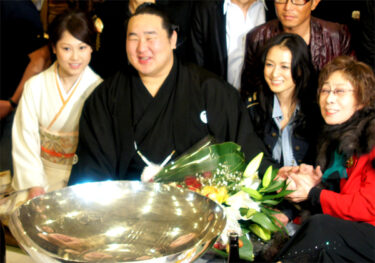
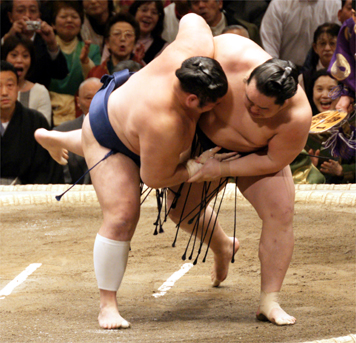
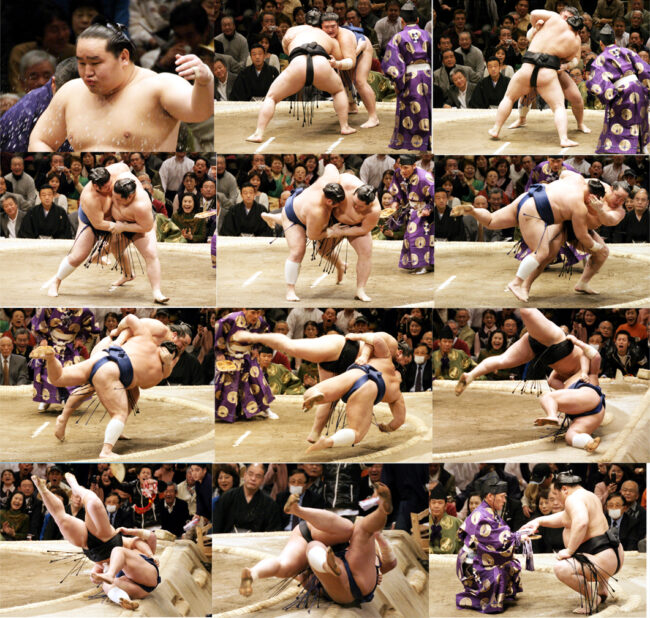
Asashoryu photographs
Michihiro Taguchi photographed Asashoryu through the last years of his career, including the January 2010 tournament that turned out to be his final championship. These are his own frames, not agency pictures, and they include a frame-by-frame sequence of a single bout — the kind of thing that only comes from sitting at the ring with a motor drive running.
Taguchi’s view: a yokozuna the sport could not afford to lose
Michihiro Taguchi has written about Asashoryu repeatedly in the years since the retirement, and his reading is not the tabloid one. He sets out the sequence plainly: the wrestler skipped a summer exhibition tour, was then seen playing football in Mongolia, and was suspended for two tournaments. Taguchi records that at the time some fans wanted him thrown out of the sport altogether, and that he argued back — you do not fire the employee who carries the company’s name and its takings. The 2010 assault case, he writes, was a different matter, because that one touched the law.
What he keeps returning to is the cost. Asashoryu retired with 25 championships. Writing on the day Hakuho drew level with Taiho’s 32, Taguchi’s point was that Asashoryu might have got there first had the retirement not been forced. His verdict on the whole business is short: a yokozuna wasted. He also blames the structure rather than only the man — the Association, he argues, left the education of its biggest draw entirely to the stable, and should have stepped in itself.
Frequently asked questions
Q. Why was Asashoryu suspended?
He pulled out of a summer exhibition tour and was then seen playing football in Mongolia. The Japan Sumo Association suspended him for two tournaments — the first time a serving yokozuna had been banned from competing. The separate 2010 assault case, three years later, is what ended his career.
Q. Is Asashoryu related to Hoshoryu?
Yes, Hoshoryu is his nephew. Hoshoryu became the 74th yokozuna after winning the January 2025 tournament and made his debut at the rank that March. He wrestles for Tatsunami stable, not Takasago, where his uncle spent his whole career.
Was Asashoryu really the first Mongolian yokozuna?
Yes. Asashoryu was the first wrestler from Mongolia ever promoted to yokozuna, sumo’s highest rank. His promotion opened a door that subsequent Mongolian wrestlers, most notably Hakuho, walked through.
Who was the first Mongolian sumo wrestler?
The first Mongolians entered professional sumo in 1992, when six teenagers recruited in Ulaanbaatar joined Oshima stable. Among them, Kyokushuzan became the first Mongolian sekitori and the first to reach the top makuuchi division, and his stablemate Kyokutenho later rose to sekiwake. Asashoryu, who arrived in the late 1990s, became the first Mongolian yokozuna.
How many championships did Asashoryu win?
Asashoryu won 25 top-division championships, known as yusho. That haul places him among the most decorated yokozuna in the sport’s history.
What happened in 2005?
In 2005, Asashoryu won all six grand tournaments held that year. It was the first calendar-year sweep in sumo history and remains the clearest single-season expression of his dominance.
Why did Asashoryu retire?
He retired in 2010, abruptly, following controversy away from the ring. The end of his career was sudden rather than a gradual fade, which is part of why his legacy still divides fans.
Who was Asashoryu’s biggest rival?
His great rival was Hakuho, the fellow Mongolian yokozuna whose patient, technical style contrasted sharply with Asashoryu’s fast, aggressive sumo. Their meetings defined an era.
Is Asashoryu related to any current wrestlers?
Yes. His nephew competes today as Hoshoryu, carrying the family line into sumo’s upper ranks.