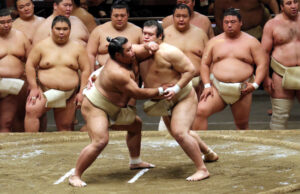
Ryogoku is the Tokyo district where sumo lives. On the old-Tokyo east side near the Sumida River, it is the neighbourhood built around the national sumo arena, the stables where wrestlers train, and the hot-pot that feeds them. If you are planning time here, you will find the home of the sport in one compact, walkable pocket of the city. The biggest draw is the grand tournament, but even on an ordinary afternoon Ryogoku carries the weight of its history in the buildings, the food, and the quiet streets between them.
The Ryogoku Kokugikan
The Ryogoku Kokugikan is the national sumo arena and the centrepiece of the district. It hosts the three Tokyo grand tournaments of the year, held in January, May, and September. When a tournament is on, this is where the top wrestlers compete day after day, and the building fills with the rhythm of the bouts and the roar of the crowd.
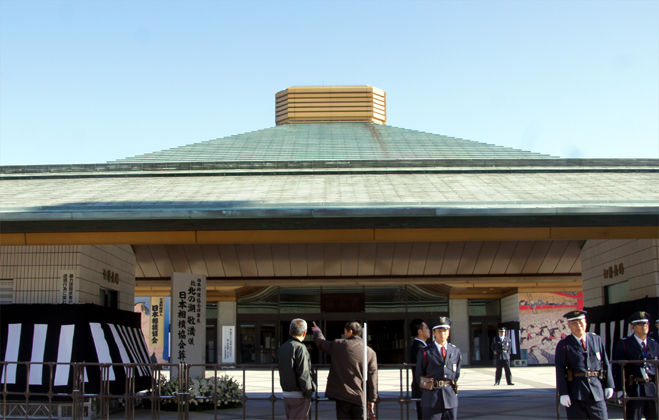
To watch a tournament from inside, you need a ticket, and seats sell quickly once a basho begins. Plan ahead rather than turning up at the door. For the full picture on seat types, sale timing, and how to buy, read how to get tickets before you commit to a date. Tournament schedules can shift, so confirm the dates on the official or current sources as you plan.
Sumo stables in the neighbourhood
Many sumo stables, called heya, sit in and around Ryogoku. A heya is where wrestlers live, eat, and train together under their stablemaster. Part of the appeal of the district is simply knowing that the people who fill the arena are based on these same streets. To understand how the system works and what life inside a stable looks like, see sumo stables.
One thing to be clear about: a stable is a private home and a working space, not a tourist attraction. Heya generally do not take drop-in visitors, and you should not expect to wander in and watch morning practice. If seeing practice matters to you, it has to be arranged properly and well in advance through official or established channels, and the privacy of the wrestlers and the stable comes first. Treated with that respect, a visit is possible for some; treated as a casual stop, it is not. Honesty here protects both you and the sport.
Chanko-nabe, the food of sumo
Chanko-nabe is the signature food of the area. It is the hearty hot-pot that wrestlers eat in large quantities to build their physiques, loaded with protein and vegetables and shared from a single simmering pot. A number of chanko restaurants operate around Ryogoku, and some are run by former wrestlers who cooked it through their own careers. Sitting down to a pot here is one of the most direct ways to taste the daily life of the sport. For what goes into it and how it is eaten, see chanko-nabe. Menus, availability, and whether a given place takes reservations change over time, so confirm the current details before you go.
The feel of the town
Ryogoku is compact and easy to explore on foot. The Kokugikan is a short walk from Ryogoku Station, and the streets around it reward a slow wander. The area carries sumo touches and decorations in keeping with its long association with the sport, so the theme follows you from the moment you step out of the station. Its setting on the old-Tokyo east side, close to the Sumida River, gives the district a calmer pace than the busier hubs of central Tokyo.
There are also sumo-related and local-history cultural facilities and museums in the area near the Kokugikan. These can round out a visit with background on the sport and the neighbourhood. Hours and open status change, and facilities sometimes close for renovation, so check whether a place is open and confirm its hours on the official or current sources before you head over.
Tournament days and quiet days
Ryogoku has two very different moods. During a tournament, the streets around the Kokugikan are at their liveliest, with colourful banners called nobori raised along the way, and visitors sometimes catch sight of wrestlers arriving in their yukata or kimono. The whole district leans into the event.
On non-tournament days the neighbourhood is quieter. There are no live bouts to watch, and the draw becomes the building itself, the chanko food, and the unhurried atmosphere of the streets. Both versions of Ryogoku are worth experiencing, depending on what you want from the day. If your visit lands during a tournament, getting the most out of it also means respecting the customs of the venue. A little preparation goes a long way, so look over sumo etiquette before you take your seat. To make a full outing of it, you can pair the district with Asakusa in one day.
Before you go
Much of what makes Ryogoku worth a trip depends on details that shift over time, so build your plan from current information. Confirm restaurant menus and whether reservations are needed straight from the venues. Check museum hours and whether facilities are open, since some close for renovation. Verify tournament dates on the official or current sources, and arrange any stable-related plans properly and in advance through official or established channels. Going in with up-to-date facts is the surest way to a smooth visit.
Key Takeaways
- Ryogoku is the home of sumo in Tokyo, built around the national arena near the Sumida River.
- The Kokugikan hosts the three Tokyo grand tournaments, in January, May, and September, and you need a ticket to attend.
- Sumo stables sit in the district but are private working homes that generally do not take drop-in visitors.
- Chanko-nabe, the wrestlers’ hot-pot, is the signature local dish, with restaurants around the neighbourhood.
- The area is at its liveliest during tournaments and quieter the rest of the time, when the building, the food, and the streets are the draw.
Frequently Asked Questions
Where is Ryogoku and why is it the home of sumo?
Ryogoku is a district on the old-Tokyo east side, near the Sumida River. It is considered the home of sumo because the Ryogoku Kokugikan, the national sumo arena, stands there and hosts the three Tokyo grand tournaments, while many sumo stables are based in and around the same area.
Can you visit a sumo stable in Ryogoku?
Generally not as a drop-in. Stables are private homes and working spaces, and they do not usually admit casual visitors. If you hope to see practice, it must be arranged properly and in advance through official or established channels, and the privacy of the wrestlers and the stable must be respected at all times.
What is there to do in Ryogoku besides watch sumo?
Plenty. You can take in the Kokugikan building, eat chanko-nabe at restaurants around the district, and wander the walkable streets with their sumo touches near the station. There are also sumo-related and local-history cultural facilities and museums nearby, though you should confirm their hours and whether they are open before visiting.
When is Ryogoku at its liveliest?
During the grand tournaments, held in January, May, and September. In those periods the streets around the Kokugikan fill with banners and energy, and visitors sometimes glimpse wrestlers on their way to the arena. Outside of tournament time the district is calmer and the focus shifts to the building, the food, and the atmosphere.