June 2026– date –
-

Senshuraku: The Final Day of a Sumo Tournament
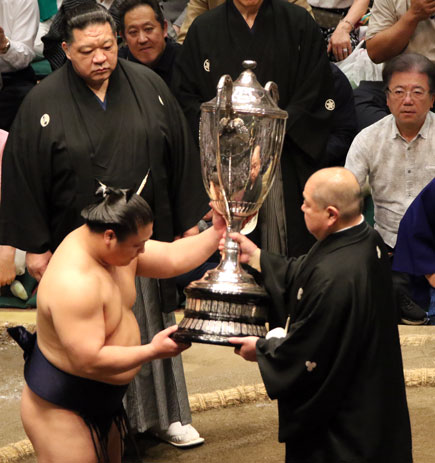
Senshuraku is the final day, the 15th and last day, of a grand sumo tournament. It is the day the championship is usually decided. If wrestlers finish tied for the lead, a playoff settles the title that same day, and the tournament close... -
Sansho: Sumo’s Three Special Prizes Explained
Sansho are the three special prizes awarded at the end of each grand sumo tournament, separate from the championship: the Shukun-sho (Outstanding Performance Award), Kanto-sho (Fighting Spirit Award) and Gino-sho (Technique Award). Only ... -
Kinboshi: The Gold Star for Beating a Yokozuna
A kinboshi (gold star) is the win a maegashira — a rank-and-file top-division wrestler — earns by beating a yokozuna, sumo's grand champion, in a regular tournament bout. Only that exact matchup counts. The win raises the wrestler's care... -
Tachiai: The Charge That Starts Every Sumo Bout
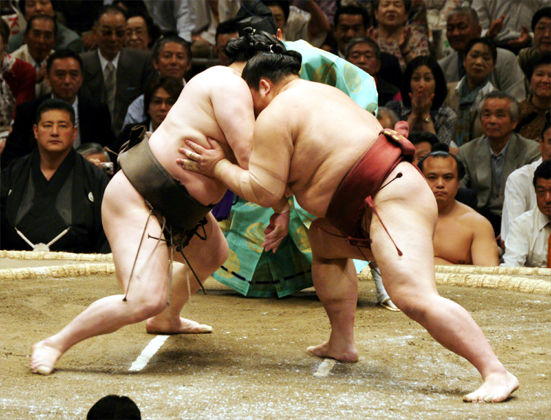
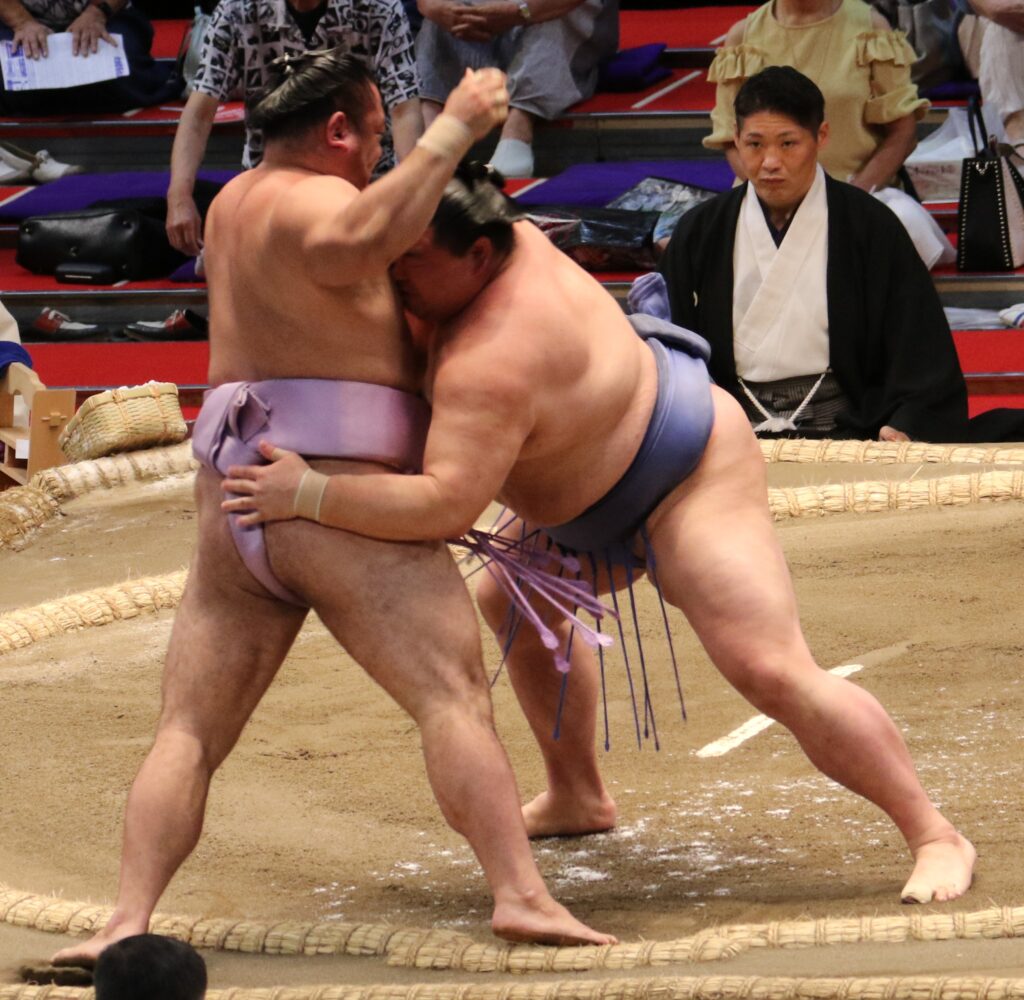
The tachiai is the initial charge that opens every sumo bout. From a crouch behind their lines, both wrestlers put both fists on the clay, then spring forward and collide. It must be synchronized; charging early triggers a matta, a false... -
Shikona: How Sumo Wrestlers Get Their Ring Names
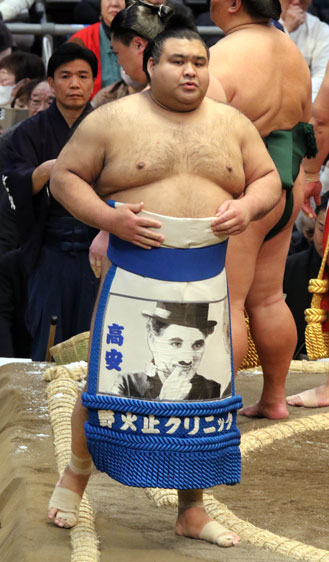
A shikona (ring name) is the fighting name a sumo wrestler competes under and appears on the banzuke instead of his birth name. The stablemaster usually chooses it, often drawing on the wrestler's real name, stable tradition, a master's ... -
Tsukebito: The Apprentice Attendants Who Serve Sumo’s Sekitori
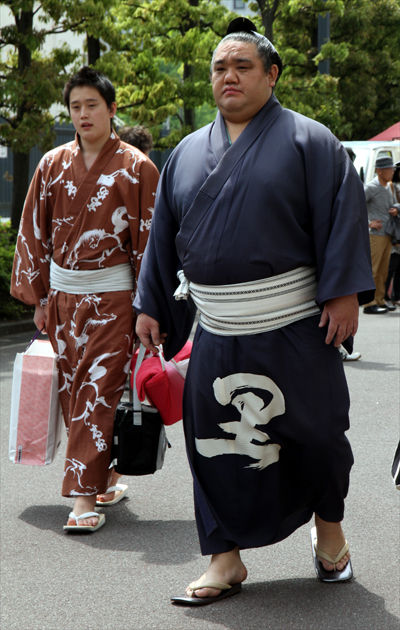
A tsukebito (tsuke-bito, "attached person") is a lower-ranked sumo wrestler assigned to attend to a sekitori, a salaried wrestler in the top two divisions. The tsukebito carries his bags, runs errands, and helps him dress and bathe. The ... -
Kensho: The Prize-Money Banners That Circle the Sumo Ring
Kensho (kensho-kin) is sponsor-funded prize money attached to individual top-division sumo bouts. Each banner is worth 70,000 yen; the Japan Sumo Association takes a 10,000 yen fee, leaving the winning wrestler 60,000 yen. The loser gets... -
Sekitori: The Line Between Juryo and the Unsalaried Ranks, and Why It Changes Everything
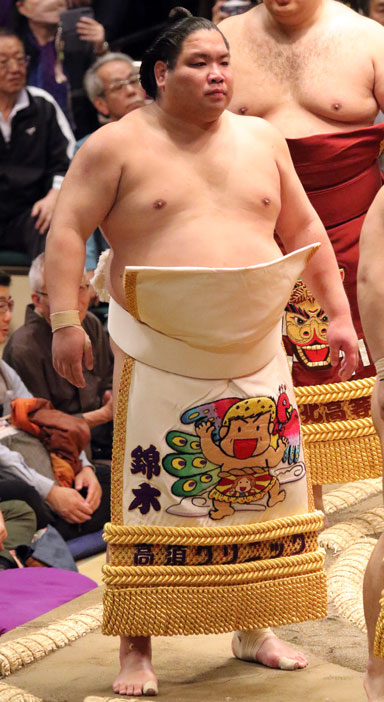
A sekitori is a sumo wrestler ranked in the top two divisions, Juryo and Makuuchi. Reaching Juryo is the threshold. Cross it and the Japan Sumo Association pays you a monthly salary, gives you attendants, a silk mawashi, and a spot in th... -
Kachikoshi and Makekoshi: How a Winning or Losing Record Moves a Wrestler Up Sumo’s Banzuke
Kachikoshi means a majority-winning record and makekoshi means a majority-losing record over a single tournament. In sumo's top two divisions, where wrestlers fight 15 bouts, 8 wins earns kachikoshi and 8 losses brings makekoshi. Kachiko... -
Yusho: The Sumo Championship Explained
A yusho is the championship of a sumo tournament — won by the wrestler with the best win–loss record across the fifteen days. Each of sumo's six divisions crowns its own champion, but the one that defines a career is the top-division (ma...