Guide– category –
-

Ryogoku: A Visitor’s Guide to Tokyo’s Sumo Town
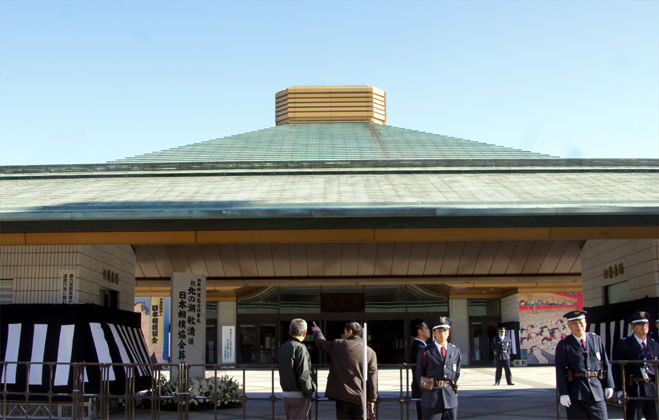
Ryogoku is the Tokyo district where sumo lives. On the old-Tokyo east side near the Sumida River, it is the neighbourhood built around the national sumo arena, the stables where wrestlers train, and the hot-pot that feeds them. If you ar... -
How to Get Sumo Tickets and What a Tournament Day Looks Like
Watching sumo live in Japan is easier to plan than many first-time visitors expect, once you know the calendar, the seat types, and where to buy. This is a practical planning guide for anyone hoping to sit in the hall for a grand tournam... -
Sumo Spectator Rules: Seats, Photography and What to Bring
Your seat type determines which spectator rules apply. Ringside tamari seats have stricter limits than floor boxes or chair seats, including restrictions on food, phones and photography. Everywhere, use your assigned seat, keep aisles cl... -
What Is Chanko-Nabe? Food and Cooking in a Sumo Stable
Chanko is the food of a sumo stable; chanko-nabe is its hot-pot form. The distinction matters: wrestlers do not eat one fixed recipe, and a restaurant’s chanko menu is not a record of every wrestler’s daily diet. This guide looks at the ... -
Salt, Water and Ritual: The Ceremony Before a Sumo Bout
Before a sumo bout, wrestlers move through a sequence of Shinto-rooted rituals that turn the dohyo into sacred ground. They throw salt (shio) to purify the ring, rinse their mouths with chikara-mizu ("power water") and wipe with chikara-... -
Gyoji and Shimpan: Who Officiates a Sumo Bout
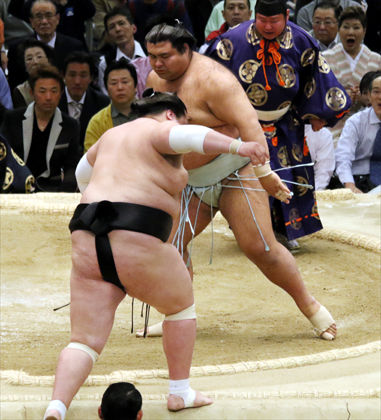
A sumo bout is officiated by the gyoji on the ring and the shimpan around it. The gyoji is the robed referee who stands on the dohyo, calls the wrestlers into action, follows the clash up close, and points his gunbai (war-fan) toward the... -
Kimarite: The Winning Techniques of Sumo, Explained
A kimarite is the officially named technique that wins a sumo bout, and there are 82 of them. The Japan Sumo Association recognizes 82 winning techniques, sorted into six official families, plus five recorded outcomes that are not techni... -
Mawashi: The Sumo Belt Explained
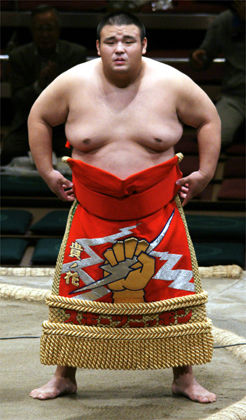
The mawashi is the thick, heavy belt a sumo wrestler wears in the ring, and it is far more than clothing. Wound tightly around the waist and between the legs, it is the only thing a wrestler wears in competition, and it doubles as the si... -
How to Watch Sumo Live: Tournaments, Seats and Tickets
To watch a grand sumo tournament in Japan, choose the tournament first, then a seat and an official ticket channel. Tokyo hosts the January, May and September tournaments; Osaka, Nagoya and Fukuoka host March, July and November. Each las... -
Sumo Rules Explained: Winning, Fouls and Judges
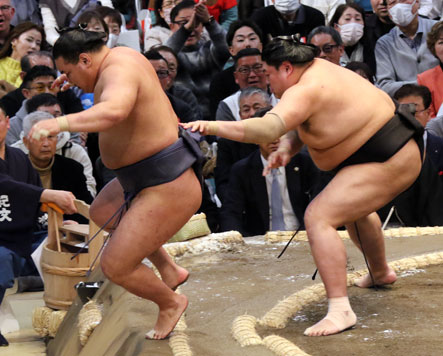
Sumo rules come down to one short contest with one goal: force your opponent out of the ring, or make any part of his body other than the soles of his feet touch the ground. Whoever does that first wins. There are no rounds and no points...