2026– date –
-

Maezumo and Shin-deshi: How You Become a Sumo Wrestler
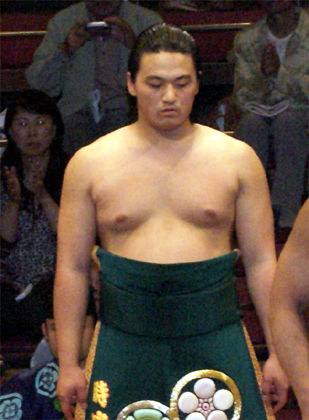
To become a sumo wrestler, a new recruit (shin-deshi) joins a stable and passes the Japan Sumo Association's entrance exam. He then fights unranked maezumo ("pre-sumo") bouts at a tournament. Clearing maezumo earns him a spot at the very... -
Keiko: Inside a Sumo Wrestler’s Morning Training
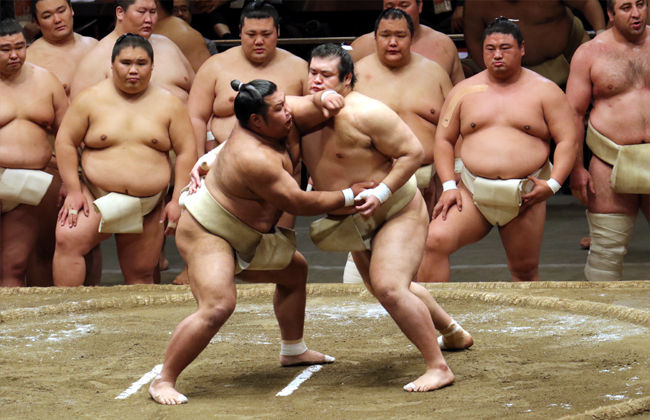
Keiko is the daily morning training that fills a sumo wrestler's day before his first big meal. Held inside the stable's practice ring on an empty stomach, it stacks repetitive drills and brutal partnered bouts that build the body and te... -
Senshuraku: The Final Day of a Sumo Tournament
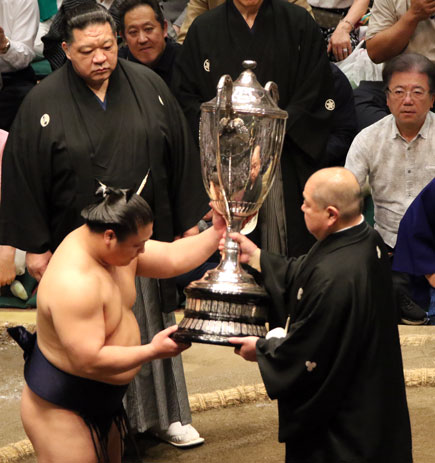
Senshuraku is the final day, the 15th and last day, of a grand sumo tournament. It is the day the championship is usually decided. If wrestlers finish tied for the lead, a playoff settles the title that same day, and the tournament close... -
Sansho: Sumo’s Three Special Prizes Explained
Sansho are the three special prizes awarded at the end of each grand sumo tournament, separate from the championship: the Shukun-sho (Outstanding Performance Award), Kanto-sho (Fighting Spirit Award) and Gino-sho (Technique Award). Only ... -
Kinboshi: The Gold Star for Beating a Yokozuna
A kinboshi (gold star) is the win a maegashira — a rank-and-file top-division wrestler — earns by beating a yokozuna, sumo's grand champion, in a regular tournament bout. Only that exact matchup counts. The win raises the wrestler's care... -
Tachiai: The Charge That Starts Every Sumo Bout
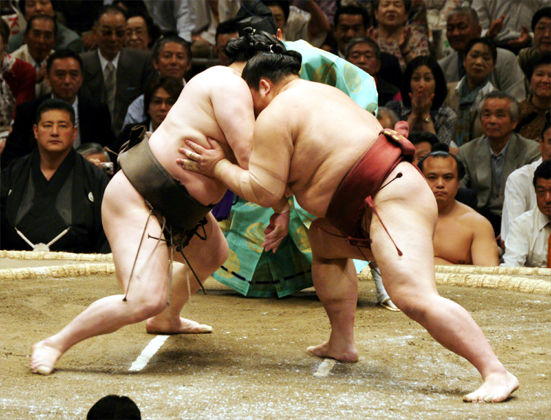
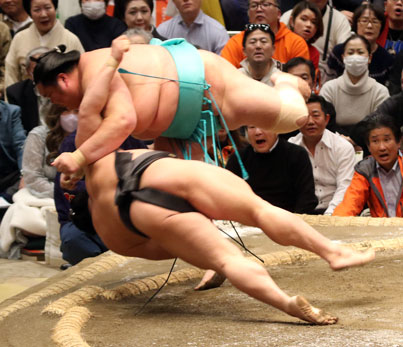
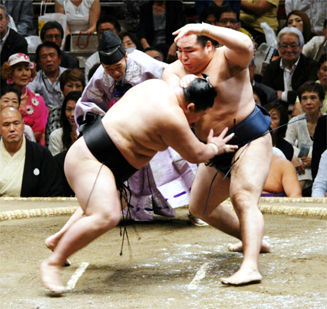
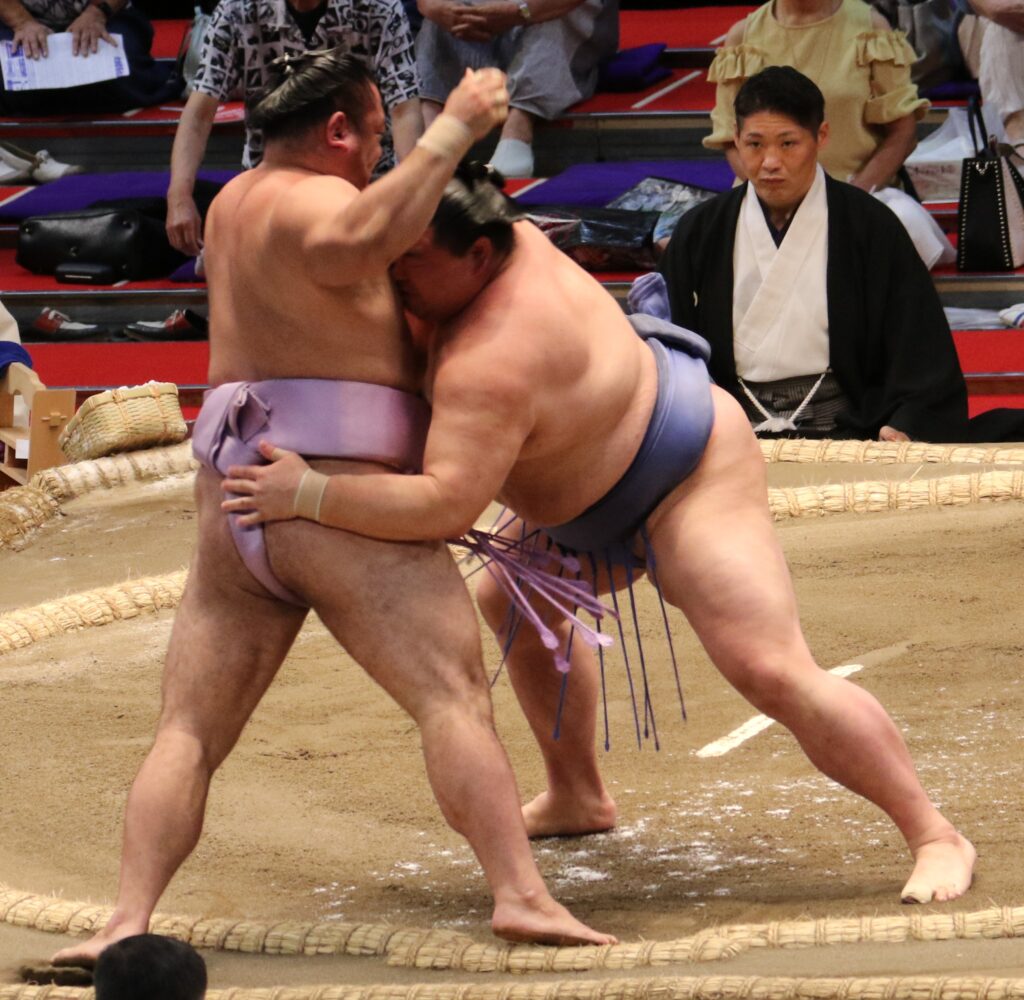
The tachiai is the initial charge that opens every sumo bout. From a crouch behind their lines, both wrestlers put both fists on the clay, then spring forward and collide. It must be synchronized; charging early triggers a matta, a false... -
Shikona: How Sumo Wrestlers Get Their Ring Names
A shikona (ring name) is the fighting name a sumo wrestler competes under and appears on the banzuke instead of his birth name. The stablemaster usually chooses it, often drawing on the wrestler's real name, stable tradition, a master's ... -
Tsukebito: The Apprentice Attendants Who Serve Sumo’s Sekitori
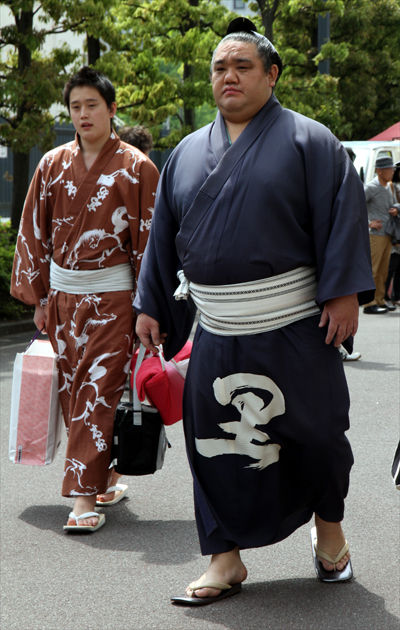
A tsukebito (tsuke-bito, "attached person") is a lower-ranked sumo wrestler assigned to attend to a sekitori, a salaried wrestler in the top two divisions. The tsukebito carries his bags, runs errands, and helps him dress and bathe. The ... -
Kensho: The Prize-Money Banners That Circle the Sumo Ring
Kensho (kensho-kin) is sponsor-funded prize money attached to individual top-division sumo bouts. Each banner is worth 70,000 yen; the Japan Sumo Association takes a 10,000 yen fee, leaving the winning wrestler 60,000 yen. The loser gets... -
Sekitori: The Line Between Juryo and the Unsalaried Ranks, and Why It Changes Everything
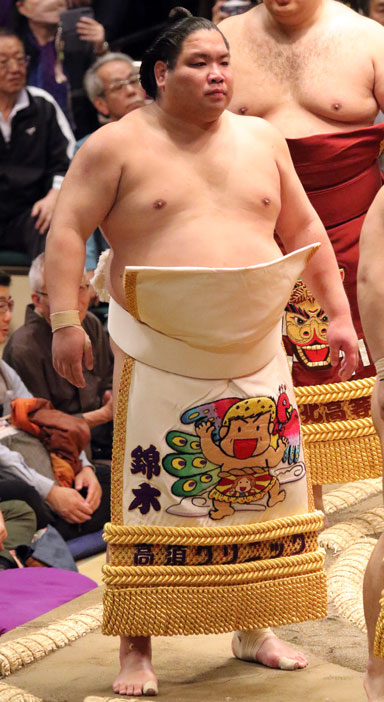
A sekitori is a sumo wrestler ranked in the top two divisions, Juryo and Makuuchi. Reaching Juryo is the threshold. Cross it and the Japan Sumo Association pays you a monthly salary, gives you attendants, a silk mawashi, and a spot in th...