Sumo Etiquette: What to Know Before Watching Live at the Kokugikan

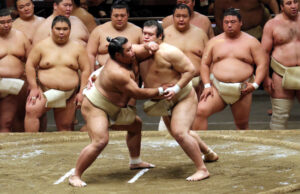
Watching sumo live at the Ryogoku Kokugikan is welcoming and easy for a first-timer, but a handful of customs keep the hall running smoothly. Move to and from your seat only between bouts, stay quiet and still while a bout is underway, and keep your seat cushion on the floor rather than throwing it. Personal still photos are generally fine — just skip the flash, tripods, and selfie sticks. By long-standing tradition, women do not step onto the dohyo itself, and because ticket prices, schedules, and venue rules change every tournament, check official sources before you book.

Watching sumo live at the Ryogoku Kokugikan is welcoming and far easier than first-time visitors expect. You buy a ticket, find your seat, and settle in for a full day of bouts under one roof. A handful of small customs are worth knowing before you go, and once you have them in mind, the rest takes care of itself. If you are planning a trip around a grand tournament, this guide walks through where you will sit, how the day flows, and the few unwritten rules that keep the hall running smoothly. For a wider look at the experience, see how to watch sumo. To plan the visit itself, read how to get tickets and the guide to Ryogoku, the sumo town.

TOC

Where you’ll sit

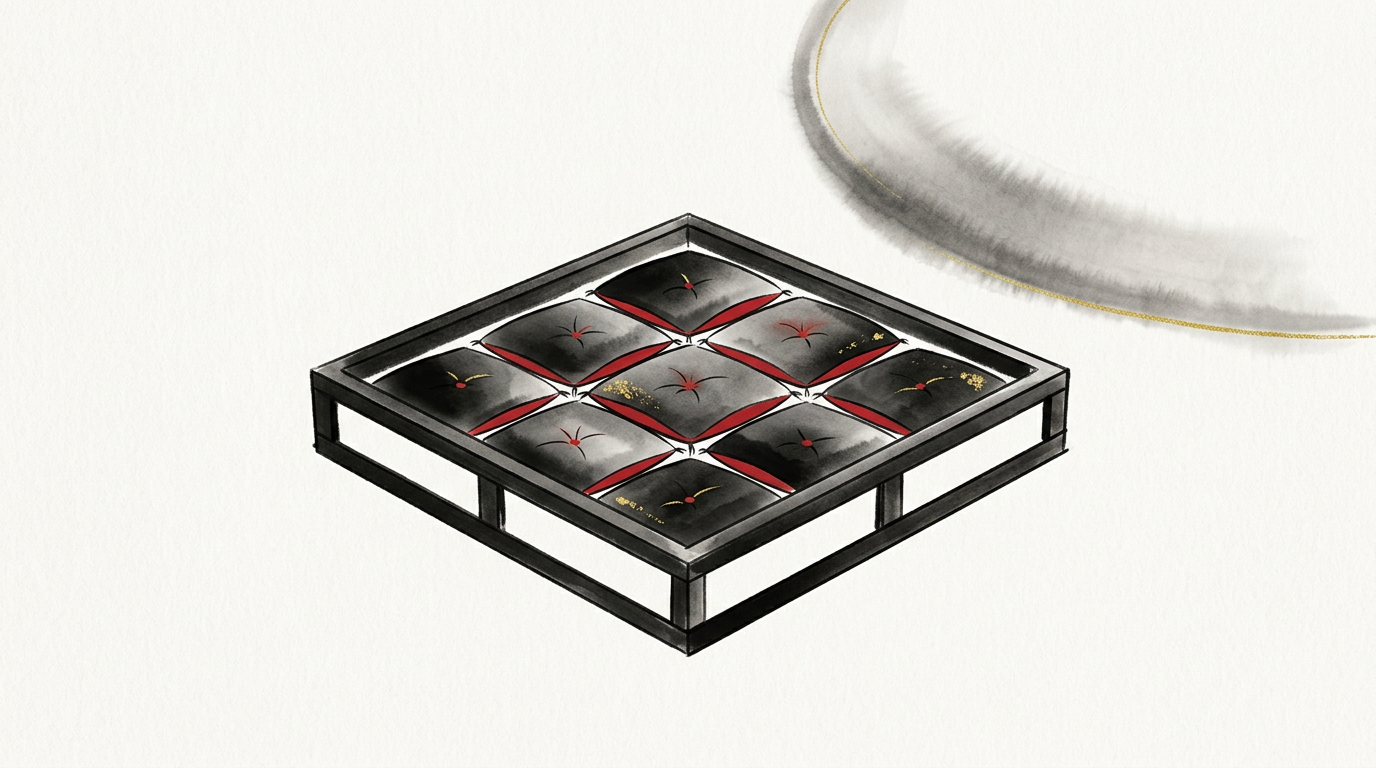
Seating at the Kokugikan comes in a few forms, and the kind you choose shapes the day. The box seats, or masu-seki, sit on the lower level closest to the ring. You take off your shoes and sit on cushions on the floor, the traditional way to watch. These boxes are compact, so plan for a snug space rather than a roomy one.

On the upper level you will find Western-style chair seats, or isu-seki, which suit anyone who would rather sit in a chair than on the floor. There are also same-day general-admission seats for spectators who want to turn up and watch without booking a reserved spot in advance.

Timing and moving around

A tournament day is long and builds gradually. The bouts start with the lowest divisions in the morning and work their way up, division by division, to the top division, makuuchi, in the late afternoon. The final bout of the day comes in the early evening. You can arrive early to see the lower ranks in a quieter hall, or time your visit for the top-division action later on.

Two ceremonies are worth being in your seat for. The top-division ring-entering ceremony, the makuuchi dohyo-iri, and the yokozuna’s ring-entering ceremony are highlights that mark the shift into the day’s biggest matches. Try to be settled before they begin.

When you need to move to or from your seat, do it between bouts rather than during one. While a bout is underway, stay where you are, and do not stand or linger in the aisles. Keeping the walkways clear lets everyone around you see the ring.

Photos and quiet

Personal still photography is generally allowed, so you can take photos of the ring and the wrestlers from your seat. Flash, tripods, and selfie sticks are discouraged, so keep your shots simple and handheld. While a bout is in progress, stay quiet and still and let the wrestlers concentrate.

The hall has its own rhythm of sound and silence. During a mono-ii, a conference of the ringside judges to review a close finish, the room falls quiet while the decision is worked out. To understand who is on the ring and around it during these moments, see the guide to the referee and ringside judges.

Cheering, applause, and the cushions

Sumo crowds are far from silent between bouts. Cheering and calling out a wrestler’s name is part of the atmosphere, and applause greets a good bout. Joining in is welcome, and it is one of the things that makes watching in the hall different from watching on a screen.

When a yokozuna loses to a lower-ranked opponent, spectators sometimes throw their seat cushions into the air. It is a traditional sight in the hall. For safety reasons it is discouraged, and spectators are asked not to do it, so keep your cushion on the floor where it belongs.

Food and drink

In the box seats you can eat and drink while you watch. A bento and yakitori are a well-known part of the experience, and eating in your box as the bouts go on is half the fun of a full day at the Kokugikan. If your trip leaves you curious about what the wrestlers themselves eat, read about chanko-nabe.

When you are done, take your rubbish away with you. Clearing your own space keeps the hall tidy for the spectators who come after you.

A few customs to know

By long-standing tradition, women do not step onto the dohyo, the ring itself. This applies to the raised ring at the center of the hall, not to the seats around it.

Before some bouts, advertising banners called kensho are paraded around the ring. They signal prize money awarded to the winner of that bout, so a long line of banners marks a match that carries extra stakes. If you want to know how wrestlers are ranked against one another, the rankings explain the order, and the rules cover how a bout is won.

Dress is casual, and comfortable clothing helps since the box seats are snug. There is no dress code to worry about, so wear what lets you sit comfortably on the floor for a stretch.

Before you go

Ticket prices, the exact schedule, how to buy from overseas, and the latest venue rules all change from tournament to tournament, so check official sources before you book. The Japan Sumo Association and the official ticket site carry the current details, including any photography or bag policies in force for that tournament. Confirming there means you arrive knowing exactly what to expect at the door.

Key Takeaways

  • Box seats put you on cushions on the floor with your shoes off, while chair seats and same-day general admission offer other options.
  • The day builds from the lowest divisions in the morning to the top division in the late afternoon, with the final bout in the early evening.
  • Still photos are generally fine, but skip flash, tripods, and selfie sticks, and stay quiet while a bout is in progress.
  • Cheering and applause are welcome, but keep your seat cushion on the floor rather than throwing it.
  • For prices, the schedule, overseas booking, and current venue rules, check the Japan Sumo Association and the official ticket site.

Frequently Asked Questions

Can you take photos at a sumo match?

Personal still photography is generally allowed, so you can take photos from your seat. Flash, tripods, and selfie sticks are discouraged, and you should stay quiet and still while a bout is in progress. Because venue rules can change, check official sources for the photography policy in force at your tournament.

Can you eat and drink in the arena?

Yes. In the box seats you can eat and drink while you watch, and a bento and yakitori are a well-known part of the experience. When you finish, take your rubbish away with you.

What is the cushion-throwing about?

When a yokozuna loses to a lower-ranked opponent, spectators sometimes throw their seat cushions into the air. It is a traditional sight in the hall, but it is discouraged for safety reasons, and spectators are asked not to do it.

How much are tickets and when is the tournament?

Prices and the schedule change from tournament to tournament, so check official sources rather than relying on a fixed figure. The Japan Sumo Association and the official ticket site carry the current ticket prices, the exact dates, and details on how to buy from overseas.

Let's share this post !

Author of this article

Michihiro Taguchi is a sumo writer and ringside photographer. After years as an editor at Nikkei HR, part of one of Japan's leading business-media groups, he stepped away from the newsroom and gave himself over to the sport he loves — traveling to nearly every grand tournament in person, season after season. He is the writer behind Dohyo no Mokugekisha, currently the No.1-ranked sumo blog on Japan's largest blog network, and every photograph on The Sumo is an original image he shot at the venue himself.

TOC