Michihiro Taguchi– Author –
-

Kotozakura: The Ozeki Carrying His Grandfather’s Name
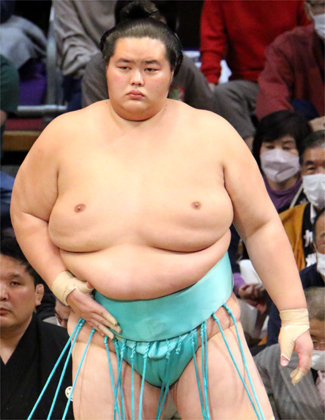
Kotozakura is a current ozeki in Japanese sumo, fighting out of the Sadogatake stable, and is best known as the grandson of the former yokozuna Kotozakura, whose ring name he now carries. He won his first top-division championship at the... -
Takanohana: The Star Who Carried 1990s Sumo
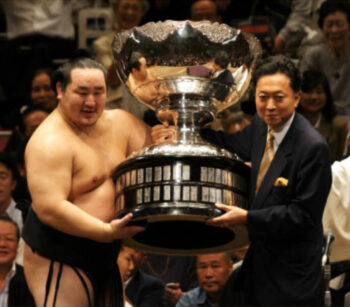
Takanohana was the biggest Japanese star of 1990s sumo. A yokozuna who won 22 top-division championships, he headlined the decade's defining rivalry with the Hawaiian yokozuna Akebono, retired in 2003, and later worked as a stablemaster ... -
Akebono: Sumo’s First Foreign-Born Yokozuna
Akebono was the first foreign-born wrestler ever promoted to yokozuna, sumo's highest rank, reaching the top in 1993. Born in Hawaii and built on a frame of unusual height and reach, he won 11 top-division championships and shaped the sp... -
Asashoryu: Sumo’s First Mongolian Yokozuna
Asashoryu was the first wrestler from Mongolia ever promoted to yokozuna, sumo's highest rank, and the sport's dominant force through the mid-2000s. He won 25 top-division championships, including an unprecedented sweep of all six tourna... -
Taiho: The Yokozuna Who Defined an Era of Sumo
Taiho Koki was the 48th yokozuna and won 32 top-division championships between 1960 and 1971, a total that stood as the record for more than forty years, until Hakuho passed it. The Japan Sumo Association's own list of grand champions gi... -
Jungyo: Sumo’s Regional Tours Between the Grand Tournaments
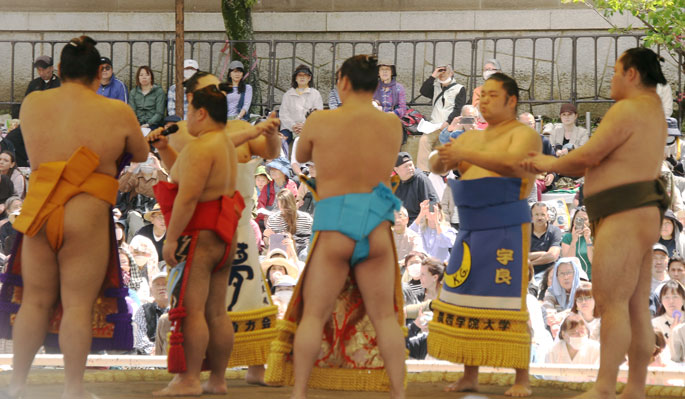
Jungyo are sumo's regional exhibition tours, held in the gaps between the six grand tournaments. They bring the sport to towns across Japan and sometimes abroad, mixing exhibition bouts with morning training and close fan interaction. Re... -
Yumitori-shiki: The Bow-Twirling Ceremony That Closes Each Sumo Day
The yumitori-shiki is sumo's bow-twirling ceremony, performed at the end of each tournament day after the final bout. A designated wrestler, the yumitori, spins and swings a bow through a set sequence on the ring, standing in for the day... -
Mono-ii: When Sumo’s Ringside Judges Overrule the Referee
A mono-ii (literally "raising an objection") is when sumo's ringside judges dispute the referee's verdict. A judge raises his hand, the judges gather in the ring to confer and may review video, then either uphold the call, reverse it, or... -
Shikiri: The Tense Pre-Bout Ritual Before a Sumo Charge
Shikiri is the preparation period before a sumo bout, in which the two wrestlers repeatedly crouch behind their lines, glare, rise, retreat to throw salt, then crouch again. It is a psychological duel over breathing and timing that ends ... -
Yobidashi: The Ring Attendants Who Run a Sumo Tournament
Yobidashi are sumo's ring attendants. They call each pair of wrestlers up with a long, fan-held chant, build and maintain the clay dohyo, sweep it between bouts, carry the sponsor banners around the ring, and beat the drum that signals t...